

5 Signs Your Team Is Experiencing Burnout
Burnout doesn’t happen overnight.
It often develops gradually through prolonged stress, increasing workloads, lack of recovery time, and workplace cultures that prioritize productivity over well-being. By the time employees openly express that they’re burned out, the warning signs have often been present for months.
The good news? Leaders can learn to recognize these signs early and take proactive steps to support their teams.
Here are five common indicators that your team may be experiencing burnout.
1. Energy and Engagement Have Declined
One of the earliest signs of burnout is a noticeable drop in enthusiasm.
Employees who were once engaged and proactive may begin contributing less during meetings, showing less initiative, or appearing disconnected from their work.
You may notice:
Reduced participation in discussions
Less enthusiasm for projects
Increased negativity or cynicism
A “just getting through the day” mindset
When people feel emotionally exhausted, engagement is often one of the first things to suffer.
2. Communication Has Become More Difficult
Burnout can affect how teams communicate with one another.
Employees who are overwhelmed may become shorter in their responses, less collaborative, or more likely to misunderstand one another. Small frustrations can escalate more quickly when people are operating from a depleted state.
Signs may include:
Increased conflict or tension
More misunderstandings
Delayed responses
Reduced collaboration between team members
Healthy communication requires energy, patience, and emotional capacity—all of which are impacted by burnout.
3. Absenteeism and Turnover Are Increasing
When employees are struggling, it often shows up through attendance patterns.
This might include:
More frequent sick days
Increased requests for time off
Higher turnover rates
Employees quietly disengaging before eventually leaving
Sometimes burnout doesn’t look like dramatic exhaustion. Sometimes it looks like employees slowly checking out.
Organizations that pay attention to these trends can often intervene before valuable team members decide to leave.
4. Productivity Is Declining Despite Hard Work
Burnout is not a sign of laziness.
In fact, many burned-out employees continue working extremely hard. The difference is that their effort is no longer producing the same results.
You may notice:
Difficulty concentrating
Increased mistakes
Missed deadlines
Reduced creativity and problem-solving
Employees appearing busy but feeling ineffective
When the nervous system is operating under chronic stress, productivity naturally declines.
5. Your Team Has Stopped Connecting
Human connection is a critical protective factor against burnout.
When employees feel isolated, unsupported, or disconnected from colleagues, workplace stress can feel significantly heavier.
You might observe:
Less participation in team activities
Fewer informal conversations
Reduced peer support
Employees keeping to themselves
Connection helps build resilience. When connection disappears, burnout often becomes more pronounced.
What Leaders Can Do
Recognizing burnout is only the first step.
Organizations that successfully support employee well-being create opportunities for employees to pause, recharge, and reconnect.
This might include:
Encouraging healthy boundaries
Providing realistic workloads
Supporting mental health resources
Creating opportunities for team connection
Offering wellness experiences that address emotional well-being, not just physical health
Creative wellness programs can play an important role in this process by helping employees reduce stress, strengthen relationships, and reconnect with themselves and their colleagues.
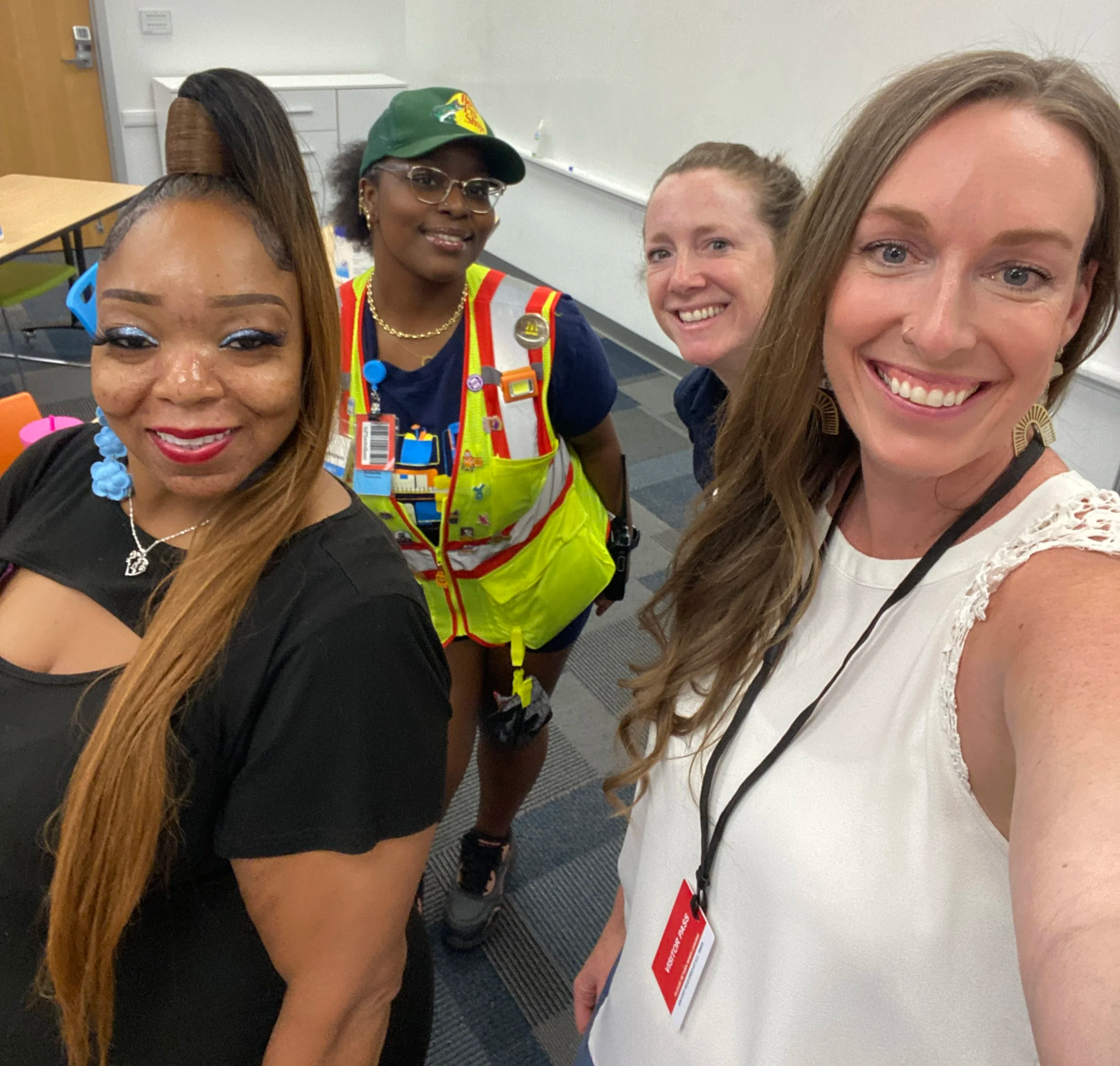
After a creative wellness workshop at Amazon in Chattanooga, TN.
Final Thoughts
Burnout doesn’t always announce itself loudly.
More often, it shows up through subtle shifts in energy, communication, engagement, and connection.
By recognizing these signs early and investing in employee well-being, organizations can create healthier workplace cultures where employees feel supported, valued, and better equipped to thrive.
When people feel well, they work well—and they’re far more likely to stay.
Want to experience creative wellness for yourself?
Explore upcoming workshops, private sessions, or corporate wellness offerings here on my website.