

After more than a decade of facilitating creative experiences in hospitals, community settings, healthcare environments, and wellness programs, I’ve learned that the work is rarely about art.
It’s about people.
It’s about creating spaces where people feel safe enough to explore, express, connect, and simply be human.
While every group is different, there are a few lessons that have stayed with me throughout the years.
1. There Is No One-Size-Fits-All Approach
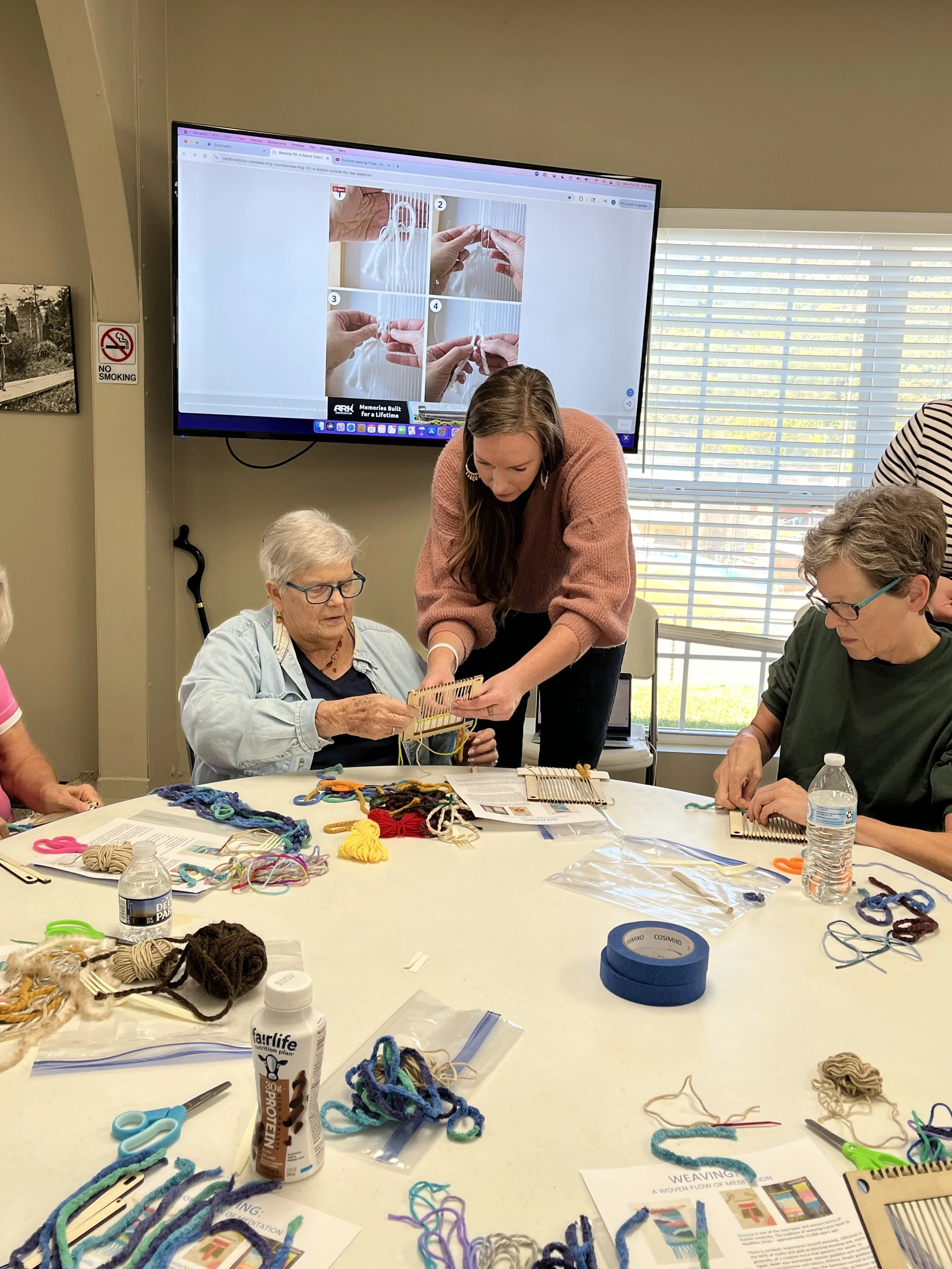
Every person walks into a room carrying a unique life experience.
What feels calming, exciting, or comfortable for one person may feel overwhelming or unfamiliar to another.
The same art activity can create completely different experiences for different people.
Some people will finish early, some will take their work home to finish.
Reading the energy of the room, managing different personalities and learning how to redirect are skills that often come with experience.
As facilitators, our job isn’t to force everyone into the same experience. It’s to create space for multiple experiences to exist at the same time.
2. Everyone’s Nervous System Is Different
Some people are ready to jump right in.
Others need time to observe.
Some enjoy sharing their thoughts with a group.
Others process internally and prefer quiet reflection.
People are only able to experience the practice at a level that feels safe to them.
Some process on the surface and some go deeper quickly.
Neither approach is right or wrong.
One of the most important things I’ve learned is that honoring different nervous systems creates a more inclusive and supportive experience for everyone.
3. People Bring Their Entire History Into the Room
When someone sits down at a table, they aren’t arriving alone.
Their past experiences come with them.
Their successes.
Their fears.
Their memories.
Their beliefs about themselves.
Their experiences with creativity.
Their experiences with school, family, culture, and community.
All of it is present in some way.
Whether people realize it or not, those experiences influence how they engage with creative work.
4. Many People Carry Creative Wounds
One of the most common things I hear is:
“I’m not creative.”
“I can’t even draw a straight line with a ruler.”
“All I can do is stick figures.”
Over the years, I’ve realized these statements often have very little to do with creativity and everything to do with past experiences.
Many people have been criticized, judged, compared, or made to feel that their creativity wasn’t good enough.
Part of my role is helping people reconnect with their creativity in a way that feels safe, accessible, and free from judgment.
This is why I do what I do.
5. Simplicity Is Powerful
One of the biggest misconceptions about creative wellness is that activities need to be complicated or require artistic skill.
The opposite is often true.
The most effective activities are often the simplest.
The goal isn’t to create professional artwork.
The goal is to create an experience that allows people to engage, reflect, connect, and explore.
When designed thoughtfully, creative experiences can be accessible to almost anyone.
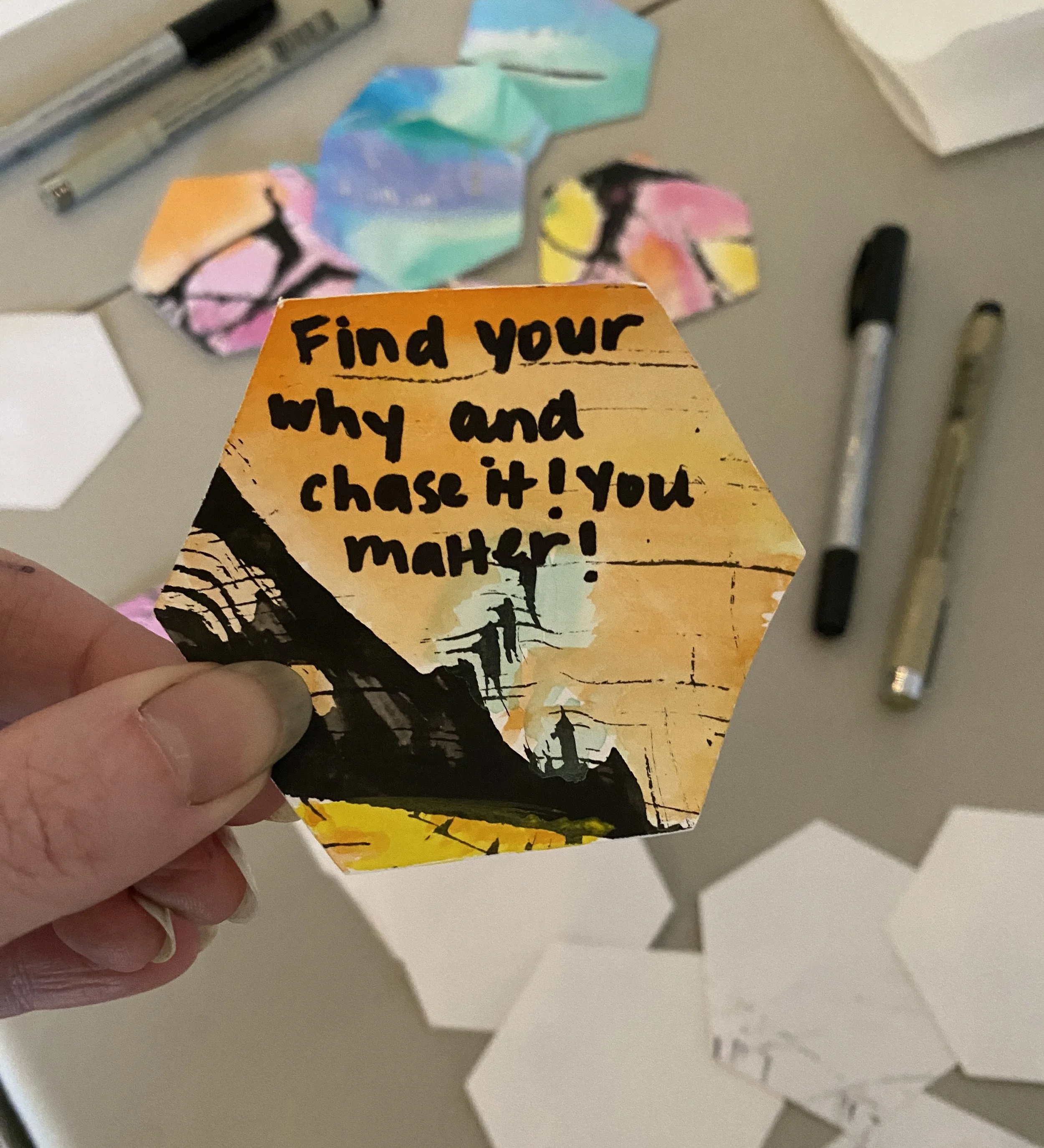
6. I Can’t Assume Anything About Anyone
Over the years, I’ve worked with people from countless backgrounds, cultures, professions, and life experiences.
What I’ve learned is that assumptions rarely serve us.
I don’t know someone’s story by looking at them.
I don’t know where they live, what they’ve experienced, how much money they make, what challenges they’re carrying, or what they need in a given moment.
The only thing I can truly meet is the person who is in front of me right now.
That has made me a better facilitator and a more compassionate human being.
7. Boundaries Create Safety
Good facilitation requires clear boundaries.
People deserve to know what to expect.
Sessions should start and end on time.
Participants should feel respected.
Facilitators should protect their own energy as well.
I’ve learned that structure doesn’t limit creativity…if fact it typically helps create the conditions for creativity to thrive.
8. Things Rarely Go Exactly as Planned
If there’s one thing facilitation has taught me, it’s flexibility. Knowing when to pivot and how.
Technology fails.
Materials don’t cooperate.
People respond differently than expected.
Unexpected conversations emerge.
Plans change.
And often, those unexpected moments become the most meaningful parts of the experience.
The ability to adapt is one of the most valuable skills I’ve developed.
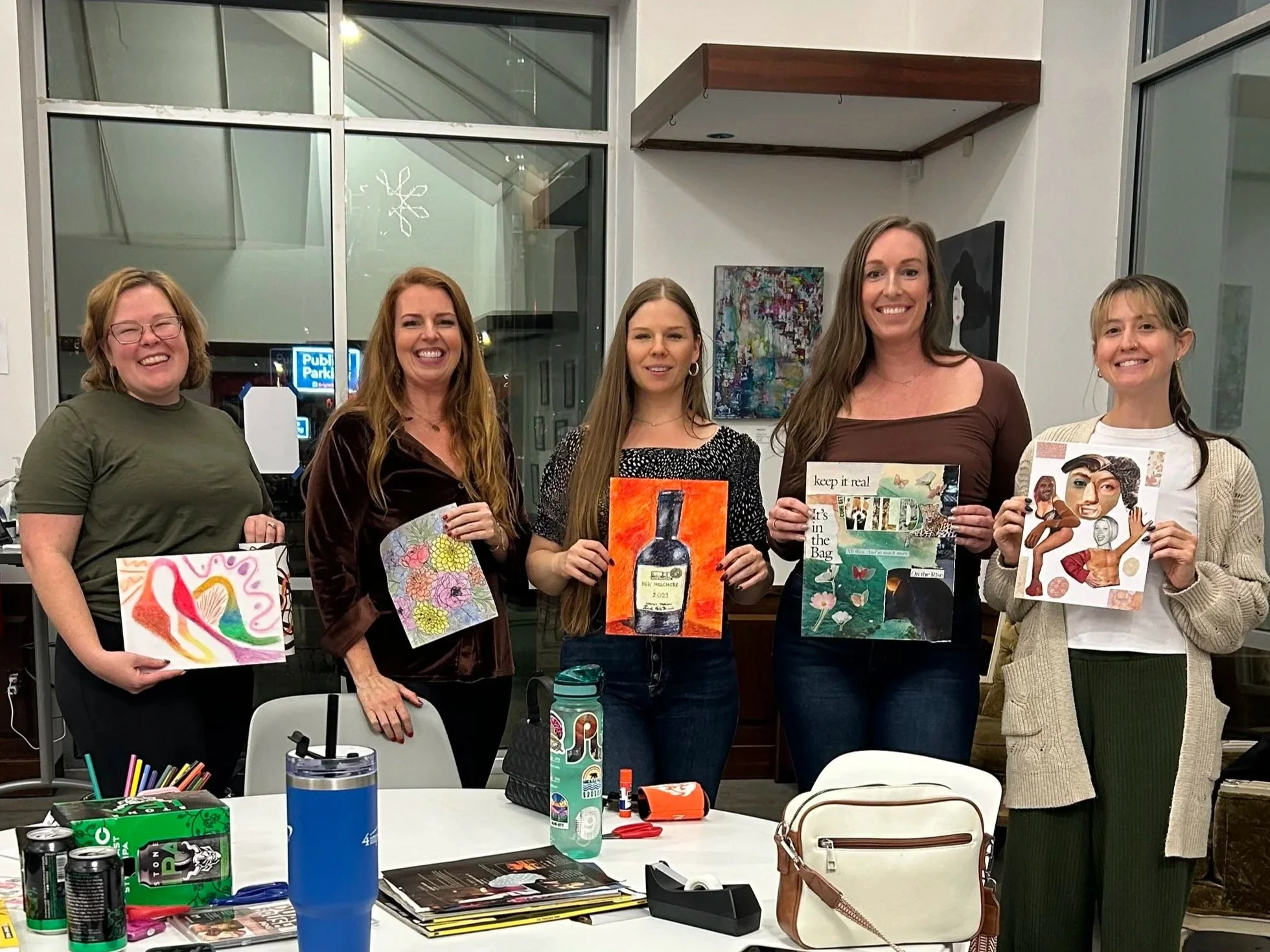
9. I Need to Experience It Before I Teach It
I would never facilitate an experience that I haven’t experienced myself.
Whether I’m attending another facilitator’s workshop or trying something on my own, I believe it’s important to understand the process from the participant’s perspective.
I want to know what it feels like.
I want to understand where challenges might arise.
I want to experience the reflection, vulnerability, and discovery that participants may encounter.
That perspective informs everything I teach.
10. Connection Is What Matters Most
If there’s one lesson that sits at the heart of everything I do, it’s this:
People want to feel connected.
Connected to themselves.
Connected to one another.
Connected to something meaningful.
Art can be a powerful vehicle for that connection, but the connection itself is what people remember.
Long after the paint dries or the journal is closed, what stays with people is often the feeling of being seen, heard, supported, and understood.
And that’s why I continue to do this work.
Because at the end of the day, it isn’t really about making art.
It’s about creating spaces where people can reconnect with what makes them human.
Want to experience creative wellness for yourself?
Explore upcoming workshops, private sessions, or corporate wellness offerings here on my website.